

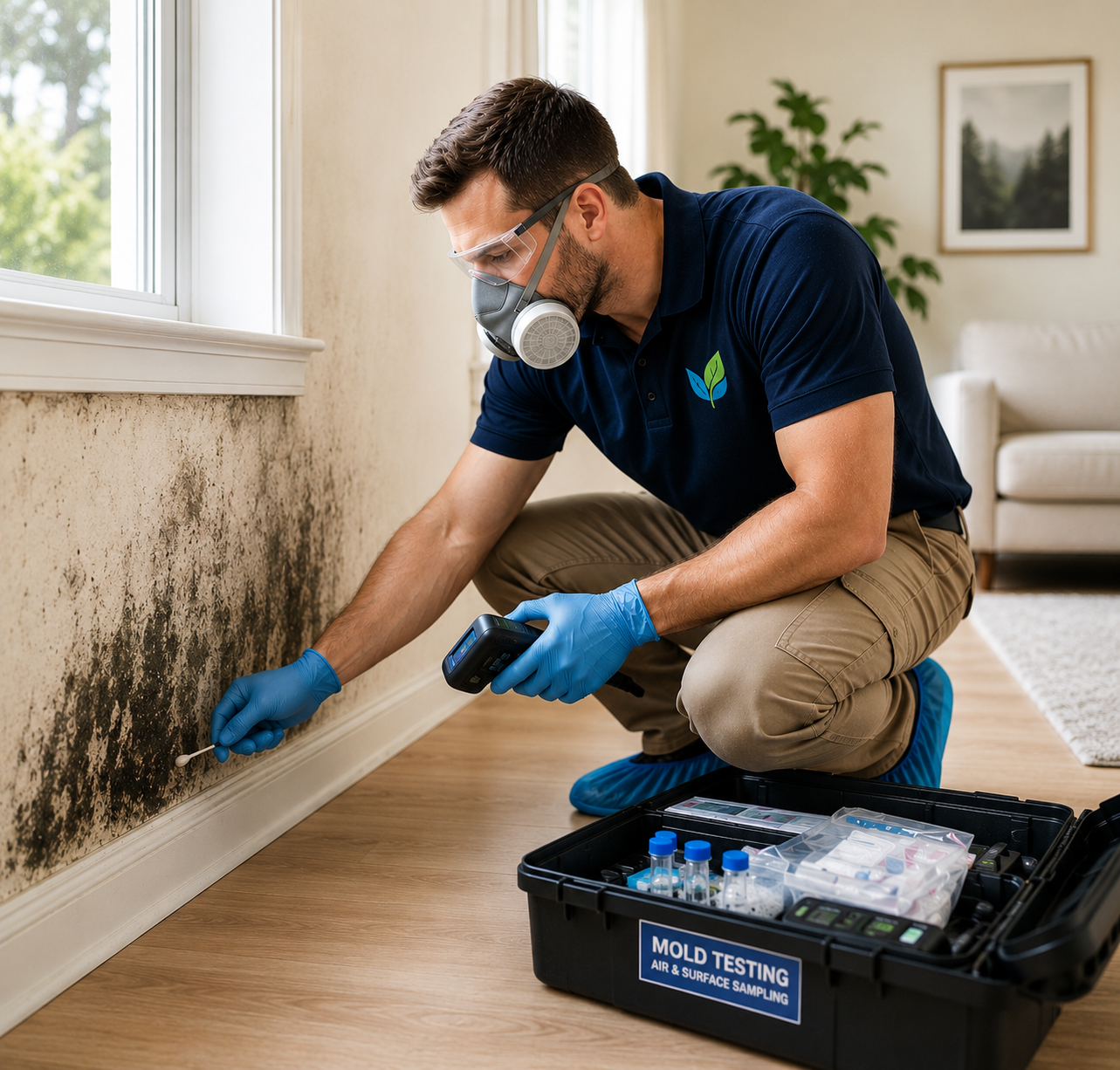
Is Mold Making You Sick? Common Symptoms to Watch For
Mold is a natural part of the environment, but when it grows indoors it can affect air quality and create unpleasant living conditions. Many people wonder whether mold exposure could be contributing to their health symptoms.
While only a healthcare professional can diagnose medical conditions, understanding the common signs associated with mold exposure can help you decide whether it’s time to investigate your indoor environment.
Common Symptoms Associated With Mold Exposure
People react to mold differently. Some individuals may experience:
-
Sneezing and nasal congestion
-
Persistent coughing
-
Itchy or watery eyes
-
Sinus headaches
-
Skin irritation
-
Wheezing or shortness of breath
-
Increased asthma symptoms
-
Fatigue or difficulty concentrating
Symptoms often improve when a person leaves the building and return when they come back.
Who Is Most Sensitive?
Certain groups may be more sensitive to mold exposure, including:
-
Children and infants
-
Older adults
-
People with asthma
-
Individuals with allergies
-
Those with compromised immune systems
Maintaining good indoor air quality is especially important for these groups.
Where Mold Commonly Hides
Mold isn’t always visible. It often grows:
-
Behind drywall
-
Under carpeting
-
Inside HVAC systems
-
Around windows
-
In attics and crawl spaces
-
Under sinks and around plumbing leaks
A musty odor can be a sign of hidden mold growth.
How Professional Mold Testing Helps
Professional mold testing can identify:
-
Hidden moisture problems
-
Elevated mold spore levels
-
Areas of active mold growth
-
Indoor air quality concerns
Testing provides objective information so homeowners can make informed decisions about next steps.
Take Indoor Air Quality Seriously
If you’ve noticed ongoing symptoms or suspect mold in your home, a professional inspection can help you better understand your environment and identify potential issues before they become larger problems.
Our Blogs
Latest Blogs –
Mold vs. Mildew: What’s the Difference and Why It Matters
Mold vs. Mildew: What’s the Difference and Why It Matters Many people use the words “mold” and “mildew”…
7 Signs You May Need Professional Mold Testing
7 Signs You May Need Professional Mold Testing Mold isn’t always visible. In many homes and businesses, mold can hide…